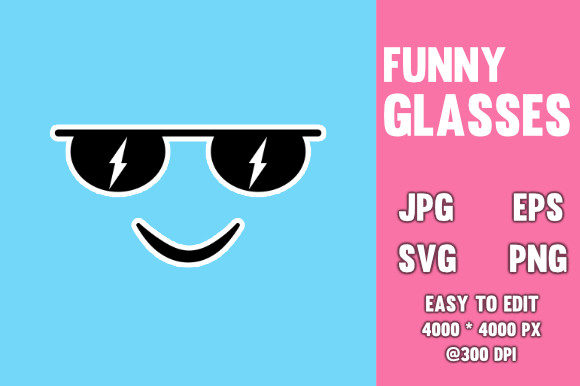
Funny and Smiling Glasses Face Review for Real Embroidery
As a designer who has spent years turning digital files into tangible, stitched products, I approach every new asset with a mix of excitement and skepticism. You never know if a cute graphic will translate well into thread until it actually goes under the needle. Today, I am putting Funny and Smiling Glasses Face through its paces to see if it deserves a spot in my commercial design library or just stays as a pretty picture on your screen.
The first thing that strikes me about this illustration is its personality. It isn't just a generic smile; the addition of glasses gives it an instant character that feels approachable and slightly quirky. For an embroidery project, especially one intended for handmade goods or small business merchandise, having that distinct visual hook is crucial. It creates a mood that is lighthearted and fun without being overwhelming. When you are designing a tote bag design or a custom sweatshirt embroidery, you want something that makes the wearer smile immediately, and this embroidery file delivers exactly that vibe.
From Screen to Stitch: The Real-World Test
I recently decided to test this design on a real-world scenario: a batch of personalized aprons for a local coffee shop owner's gift event. The goal was to create a warm, welcoming feel that matched their brand but also added a touch of humor. Using Funny and Smiling Glasses Face, I selected a high-quality cotton twill fabric. The initial thought process was whether the lines would hold up against the texture of the material.
In practice, the layout of the face works exceptionally well for standard hoop sizes. The central focus allows the eyes (and the glasses) to be the star of the show. When I ran the machine embroidery design, the stitching clarity was impressive. The glasses frames likely utilize a satin stitch technique, which usually requires careful attention to tension, but the vector quality suggests clean edges that should render beautifully. If you are an Etsy seller looking to add unique items to your shop, this design offers a perfect balance of detail and simplicity. It is detailed enough to look professional but simple enough to avoid getting lost in the fabric weave.
Imagine applying this to a baby onesie or a nursery pillow cover. The friendly expression translates perfectly to these soft, intimate projects. Parents love gifts that have a bit of whimsy, and a smiling face with glasses is universally appealing. It fits seamlessly into the category of crafts where emotional connection drives sales. However, the success of the final product depends heavily on how you execute the stitch density and choose your thread colors.
Where This Design Shines
This illustration is versatile across several product types. It is not limited to just apparel. Here is where I believe Funny and Smiling Glasses Face excels:
- Holiday Gifts: A cheerful face on a holiday ornament or a festive kitchen towel adds a personal touch that store-bought items lack.
- Boutique Branding: Small shop owners can use this on tags, hangtags, or as a logo element on tote bags to build a recognizable identity.
- Custom Apparel: Whether it is a denim jacket back patch or a front chest pocket design, the rounded shape of the face fits well on curved surfaces like caps or hats.
- Digital Assets: For those selling printable mockups, this image serves as a fantastic preview tool to showcase what a finished embroidered patch might look like.
The versatility extends to the Graphics aspect of the product description. Since it is provided in high resolution (4000 px by 4000 px at 300 dpi), it offers flexibility for various output needs. This ensures that whether you are creating a large banner or a tiny label, the quality remains sharp before it even hits the embroidery machine.
Critical Considerations for Embroidery Success
While the design is promising, no digital embroidery file is without its challenges. As an experienced reviewer, I must highlight where caution is required. Not every surface is suitable for every design.
If you plan to place this on a stretchy fabric like jersey knit t-shirts, you will need to be very careful with stabilizers. The facial features, particularly around the glasses, could distort if the fabric stretches during the stitching process. Similarly, on dark fabrics, the contrast becomes critical. If the background is black, using light-colored threads for the glasses might result in a design that lacks definition unless you use a heavy underlay or specific thread choices.
Small hoop sizes present another potential hurdle. If you attempt to stitch this on a tiny item like a sock or a miniature hat, the details might get lost. The curves of the glasses require enough space to form properly; cramming them into a tight area can lead to puckering or messy stitches. Always check your hoop size requirements before committing to a small product.
Furthermore, textured fabrics like fleece or heavy wool can hide the fine lines of the illustration. In these cases, the design might appear softer than intended. If you are aiming for crisp, professional results, smooth fabrics like cotton, linen, or polyester blends are your best bet. Also, consider the durability of the design for items that will undergo frequent washing, such as work aprons or kids' clothes. Dense stitch areas can sometimes trap lint or wear down faster if not anchored correctly.
Practical Notes for the Creative Entrepreneur
Before you start selling finished products featuring Funny and Smiling Glasses Face, there are a few technical steps you must take to ensure customer satisfaction and protect your reputation. First, always test the design on scrap fabric. This is non-negotiable. You need to verify how the running stitch or fill stitch interacts with your specific materials. Check the thread color contrast in natural lighting, as screens often misrepresent true colors.
Review the stitch density settings in your digitizing software. If the original file is too dense, it might cause the fabric to bunch up, ruining the drape of the garment. If it is too sparse, the design may look thin and cheap. Inspect the small details, especially the corners of the glasses, to ensure they are clean and defined. It is also wise to test the design in black and white mockups to see if the composition holds up without the distraction of color.
Finally, confirm the licensing terms. Just because you purchased the file does not automatically grant you the right to sell unlimited quantities of embroidered goods. Many designers offer different tiers for personal use versus commercial embroidery. Make sure you understand the rules regarding personalized gifts and mass production. If you are a small business owner, skipping this step could lead to legal issues down the road.
Ultimately, Funny and Smiling Glasses Face is a strong candidate for adding a touch of joy to your creative portfolio. Its friendly aesthetic makes it a safe yet engaging choice for a wide range of projects, from baby embroidery to holiday embroidery. By paying attention to fabric selection, stabilization, and testing, you can transform this digital asset into a high-value handmade product that customers will love. It is a reminder that great design isn't just about how it looks on a screen, but how it feels when held in your hands after the stitching is done.