I Do What I Want Cat Funny Cat Review
As a designer who has spent years turning digital files into tangible, stitched treasures, I approach every new embroidery design with a mix of excitement and skepticism. You never know if a file will translate well from the screen to the fabric until it actually runs through the machine. Recently, I put the I Do What I Want Cat Funny Cat design to the test for a real-world scenario: creating a line of boutique tote bags and custom sweatshirts for a local craft fair. This isn't just about how the image looks on a monitor; it is about how it holds up under tension, thread, and the hands of a customer.
First Impressions and Visual Personality
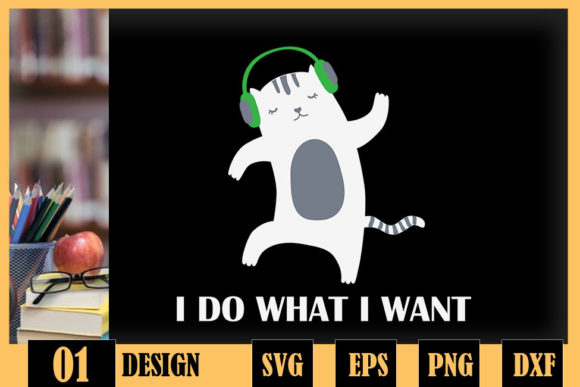
The moment I opened the file in my digitizing software, the personality of I Do What I Want Cat Funny Cat was immediately clear. It captures that specific blend of sass and charm that defines modern feline culture. The layout feels balanced, avoiding the cluttered look that often plagues text-heavy graphics. For an embroidery project, this balance is crucial because you are translating pixels into stitches, which can easily distort fine details.
The mood created by this design is playful yet confident. It screams "handmade" without looking amateurish. When I visualized it on a canvas tote bag, the design naturally lent itself to a casual, streetwear aesthetic. It is not a delicate floral motif meant for heirloom linens; rather, it belongs in the realm of custom apparel, baby onesies, and fun kitchen accessories. The theme suggests a product that invites conversation, making it an excellent choice for an Etsy seller or small shop owner looking to add a touch of humor to their inventory.
Real-World Application: From Screen to Stitch
In my recent project, I selected a heavy-duty cotton canvas for the tote bags and a soft fleece for the sweatshirts. The performance of I Do What I Want Cat Funny Cat varied slightly depending on the material, which is typical for any embroidery file. On the canvas, the design stood out beautifully. The structure of the fabric provided enough stability to handle the stitch density required for the cat's outline and the lettering.
However, when I moved to the sweatshirt, I had to be mindful of the fabric texture. Stretchy fabrics like fleece require a more aggressive stabilizer to prevent puckering. Fortunately, the design elements were robust enough that they didn't collapse under the weight of the stitching. The contrast between the dark background of the shirt and the lighter thread colors made the text pop, ensuring that the message "I Do What I Want" was legible even from a distance. This clarity is vital for commercial projects where brand recognition and readability are key.
I also tested the design as a potential embroidered patch for a denim jacket. The clean lines of the cat shape would work exceptionally well here, providing a professional finish that elevates a simple garment into a statement piece. The versatility of I Do What I Want Cat Funny Cat extends beyond just clothing; imagine this on a pillow cover for a nursery or a tea towel for a home cook who loves cats. It fits seamlessly into the Crafts and Graphics categories because it bridges the gap between digital art and tactile goods.
Where to Exercise Caution
While this design is versatile, no single file is perfect for every situation. There are specific scenarios where I Do What I Want Cat Funny Cat might struggle if not handled correctly. One major consideration is hoop size. If you attempt to stitch this on a very small surface, such as a baseball cap or a tiny baby bib, the detail level might get lost. Small hoops compress the fabric differently, and fine lines can sometimes merge together, losing the crispness that makes the design appealing.
Another area requiring careful attention is thin or highly textured fabric. If you try to stitch this directly onto a sheer blouse or a rough burlap sack without proper preparation, the results could be disappointing. The stitch density needs to be supported by a high-quality stabilizer to ensure the threads don't sink into the weave. Additionally, while the design is bold, the lettering should be checked for legibility on curved surfaces. Caps and hats present unique challenges due to their curvature, and text that looks straight on a flat screen might appear distorted if the digitization does not account for the curve.
Dense stitch areas are another point of caution. If the design includes large blocks of fill stitch, it can create a stiff, board-like feel on the final product. This is particularly important for items that need to remain soft, like baby clothes or blankets. In these cases, reviewing the stitch density before running the full production batch is essential to maintain the comfort and drape of the finished item.
Impact on Product Value and Brand Trust
The quality of your embroidery directly influences customer trust. A poorly executed design can make a handmade product look cheap, regardless of the price point. I Do What I Want Cat Funny Cat, when stitched correctly, adds significant value to a project. It signals to the buyer that the maker cares about details and has invested time in creating something unique. For an Etsy listing or a booth at a craft fair, high-quality imagery and a professional finish are what convert browsers into buyers.
This design also enhances the giftability of a product. People love giving personalized gifts with a sense of humor, and a well-executed cat-themed embroidery piece hits that sweet spot. It feels personal and thoughtful, which is exactly what customers look for in personalized gifts. Whether it is a wedding gift for a cat lover or a holiday surprise, the design carries an emotional weight that generic prints cannot match.
Practical Notes for the Designer
Before you rush to produce a batch of items using I Do What I Want Cat Funny Cat, there are several technical steps you must take to ensure success. First and foremost, always test the design on scrap fabric that matches your final material. This allows you to see how the threads interact with the fabric grain and whether the stabilizer is sufficient.
Check your thread colors carefully. High contrast is usually best for visibility, but ensure the colors complement each other aesthetically. Review the stitch density in your software; if the design feels too heavy, consider adjusting the settings to lighten the load. Confirm your hoop size aligns with the dimensions of the design to avoid cutting off parts of the image. Inspect small details closely, especially if you plan to use the design on smaller items.
It is also wise to test the design in black and white mockups to ensure the composition works without relying on color. Compare how it looks on both light and dark backgrounds, as the perception of the design changes significantly with the substrate. Always use a proper stabilizer appropriate for the fabric type to prevent shifting or distortion during the stitching process.
Finally, do not overlook the licensing terms. If you intend to sell finished products featuring I Do What I Want Cat Funny Cat, you must confirm that the license allows for commercial use. Similarly, if you are selling the digital file itself, check the restrictions on redistribution. Understanding these legalities protects your business and ensures you are operating ethically within the craft business community.
In conclusion, I Do What I Want Cat Funny Cat is a strong candidate for anyone looking to expand their range of digital embroidery files. Its charming character and practical layout make it suitable for a wide array of projects, from tote bag designs to sweatshirt embroidery. By paying attention to the technical nuances of stitching and selecting the right materials, you can turn this digital asset into a standout finished product that delights customers and strengthens your brand.